All of the species of Mountain-mints are virtual pollinator and butterfly magnets! They are always ‘humming’ with butterflies and pollinators and their handsome foliage and long-lasting flowers make them summer garden stars. Of the twelve species in Virginia, Narrow-leaf Mountain-Mint is certainly one of the most attractive and is one of the easiest to grow. It is found in both Richmond and Lancaster Counties in Northern Neck and most other counties in Virginia. It is common in the Mountains and Piedmont but occurs less frequently in the coastal plain.
Read MoreJune is always an exciting month in the many freshwater wetlands in Northern Neck and beyond as many plants come into bloom. And one of the showiest blooms belongs to our beautiful Swamp Rose, Rosa palustris, an upright, deciduous shrub typically reaching 3 – 6’ high and wide, with arching stems and profusion of richly fragrant rose-pink blooms from late May through June.
Read MoreAs a state employee, I appreciated what your administration did several years ago to encourage folks to visit Capitol Square.
That space is a true jewel that can be, and should be, used to show off the Commonwealth to the rest of the country and to the world. It is now used to highlight figures from the state’s history from the Native Americans who lived here for centuries to George Washington to Barbara Johns to leading women. Overlooking it all is the magnificent Capitol designed by Virginia native Thomas Jefferson.
I propose that it now be used to also showcase other things native to Virginia—its plants. Transforming Capitol Square into a Virginia native plant public garden would be a lasting ecological gift your administration could give to Virginia and its citizens.
Read MoreNarrow-leaved Blue-eyed Grass is a lovely small perennial typically reaching only 6 – 12” high and wide but in late spring it lights up the landscape wherever it grows. This is a “grass” only in name as it is a member of the Iris family, with linear, flattened grass-like foliage that grows in dense, tufted clumps from rhizomes.
Read MoreToday, the first day of April, has dawned cold with rain and winds after a week of mild weather, and I seek solace in the first harbingers of spring. A hike to Cabin Swamp in Hickory Hollow Natural Area Preserve is just the spring tonic needed. Sure enough, the showy Marsh Marigolds, Caltha palustris, are already in bloom, flaunting their showy bright yellow flowers above mounds of glossy green foliage.
Read More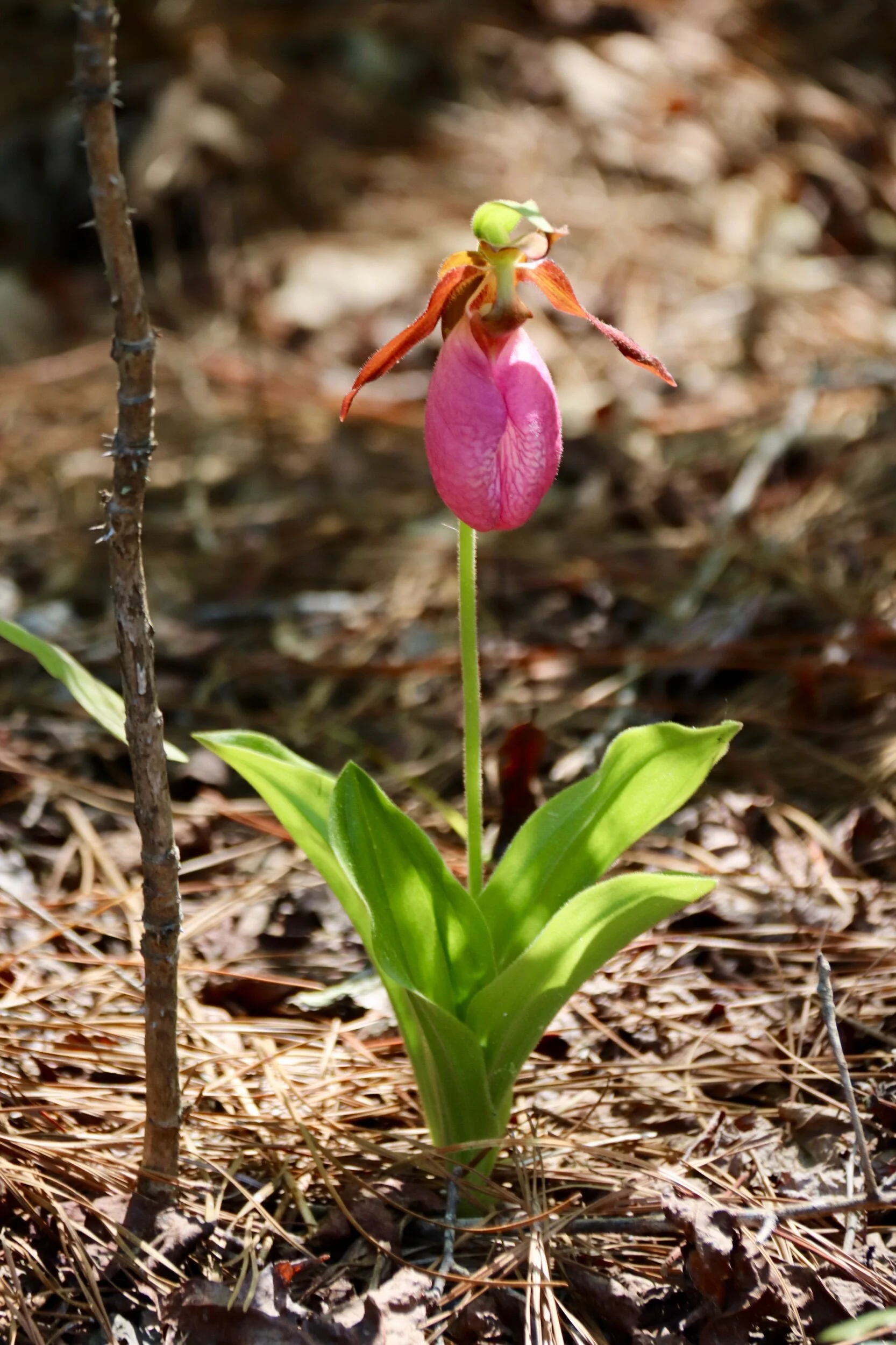
In the recent House and Home magazine, there’s an article about native wildflowers of the Northern Neck with a name you might recognize.
http://thehouseandhomemagazine.com/culture/wild-jewels-of-the-northern-neck/
Read MoreAs signs of spring fill the air, I find myself eagerly anticipating the vibrant magenta pink blooms of one of our most beautiful flowering trees, the Eastern Redbud, Cercis canadensis. This small tree is a common sight along roadsides, woodland edges, and old fields in Virginia in late March and early April when its showy flowers create a lovely haze of magenta in the spring landscape.
Read More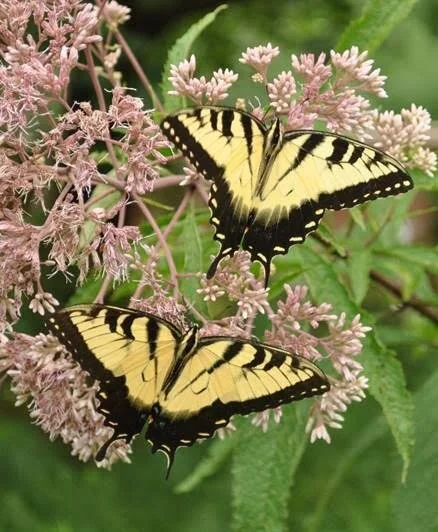
PDFS for Presentation, Resources and Handouts from Betsy Washington’s Gardening for Beauty, Butterflies and Pollinators Presentation
Read MoreThe Northern Neck Chapter of the Virginia Native Plant Society serving the four counties of Virginia’s Northern Neck is offering an academic scholarship for 2021 in the amount of one thousand dollars ($1000) to a deserving high school senior who shows an interest in and an aptitude for furthering their studies at an institution of higher learning.
Read More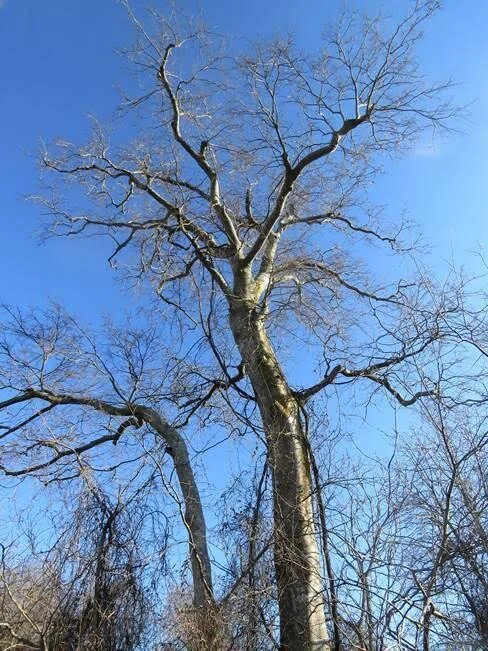
The Common Hackberry is one of our most adaptable native shade trees and is also among the best trees to plant for wildlife. The trunk of hackberries has smooth gray bark covered with distinctive warts, bumps, and corky ridges and is one of its most recognizable features, especially in winter. They have a graceful upright habit with arching limbs and fine-textured, pendulous branch tips, often tinged red in winter. This rugged tree is full of ornamental character sometimes with picturesque twisting branches and small twiggy, tangled growths at the tips of twigs, known as ‘witches brooms’.
Read MoreRead all about American Wisteria (W. frutescens), our 2021 Wildflower of the Year on the VNPS Blog.
Read More
The “Plant Northern Neck Natives” campaign, of which Northern Neck Native Plant Society is a partner, is pleased to be collaborating with other campaigns across the state to offer a series of 12 webinars - 6 this spring and 6 this fall. The webinars will guide you through the why and how to turn your home garden into a beautiful retreat for your family and a native habitat for birds and other wildlife.
Read MoreAmerican Beeches are one of our most magnificent native trees, beautiful in every season, especially winter. They are also one of the most easily recognized of our eastern deciduous trees, with their silvery gray bark that appears “cast from molten pewter”. The massive trunks appear smooth to the eye but are slightly rough to touch and sometimes likened to elephant hide. American Beeches are slow growing but reach heights of 60 – 80’ and are known to grow as tall as 120’. This tree has massive smooth trunks with fluted bases that give way to a tracery of fine silvery branches accented with rich brown narrow pointed buds. Oval leaves alternate down the fine branches and are lined with small regular teeth along the margins and distinctive parallel veins on either side of the mid-rib. The lustrous leaves are almost translucent when held up to the sun, casting a dappled light under the trees. The leaves emerge a glowing chartreuse in spring, and light up the woodlands once again in fall when they turn a rich copper which glows against the silvery gray trunks. In winter, some of the leaves curl and fade to a light parchment color and hang on the branches, especially on younger trees and on lower branches of older trees, creating a lovely contrast with the gray trunks and surrounding forest.
Read MoreBetsy Washington highly recommends these two upcoming talks, for which some will have already seen earlier promotions, by a couple of our more accomplished native planters. Chris Ludwig is already known personally to some, and has previously given at least one in-person talk to the NNNPS. Please try to make time for one or both; if unavailable at those hours, we’ll try to get the url for their recordings and publicise them when released.
Read MoreAs the winter solstice approaches, I am already anticipating the blooms of our earliest spring wildflower, Skunk Cabbage, Symplocarpus foetidus. The buds of this winter blooming wildflower begin to appear in our region as early as December and the flowers often start to bloom by New Year’s Day. As one might imagine for a wildflower that manages to bloom and attract pollinators in the dead of winter, this plant has developed some remarkably interesting adaptations to the cold and even snow cover.
Read MoreAs the winter solstice approaches, I am already anticipating the blooms of our earliest spring wildflower, Skunk Cabbage, Symplocarpus foetidus. The buds of this winter blooming wildflower begin to appear in our region as early as December and the flowers often start to bloom by New Year’s Day. As one might imagine for a wildflower that manages to bloom and attract pollinators in the dead of winter, this plant has developed some remarkably interesting adaptations to the cold and even snow cover.
Read MoreEvery fall as the leaves begin to drop and little else dares to bloom, I look forward to the blooms of our Common Witch Hazel, Hamamelis virginiana, a lovely small deciduous understory tree that flaunts clusters of spidery yellow blooms along its bare branches.
Read MoreRed Chokeberry, Aronia arbutifolia, is a versatile landscape shrub that shines in all four seasons of the year.
Read More